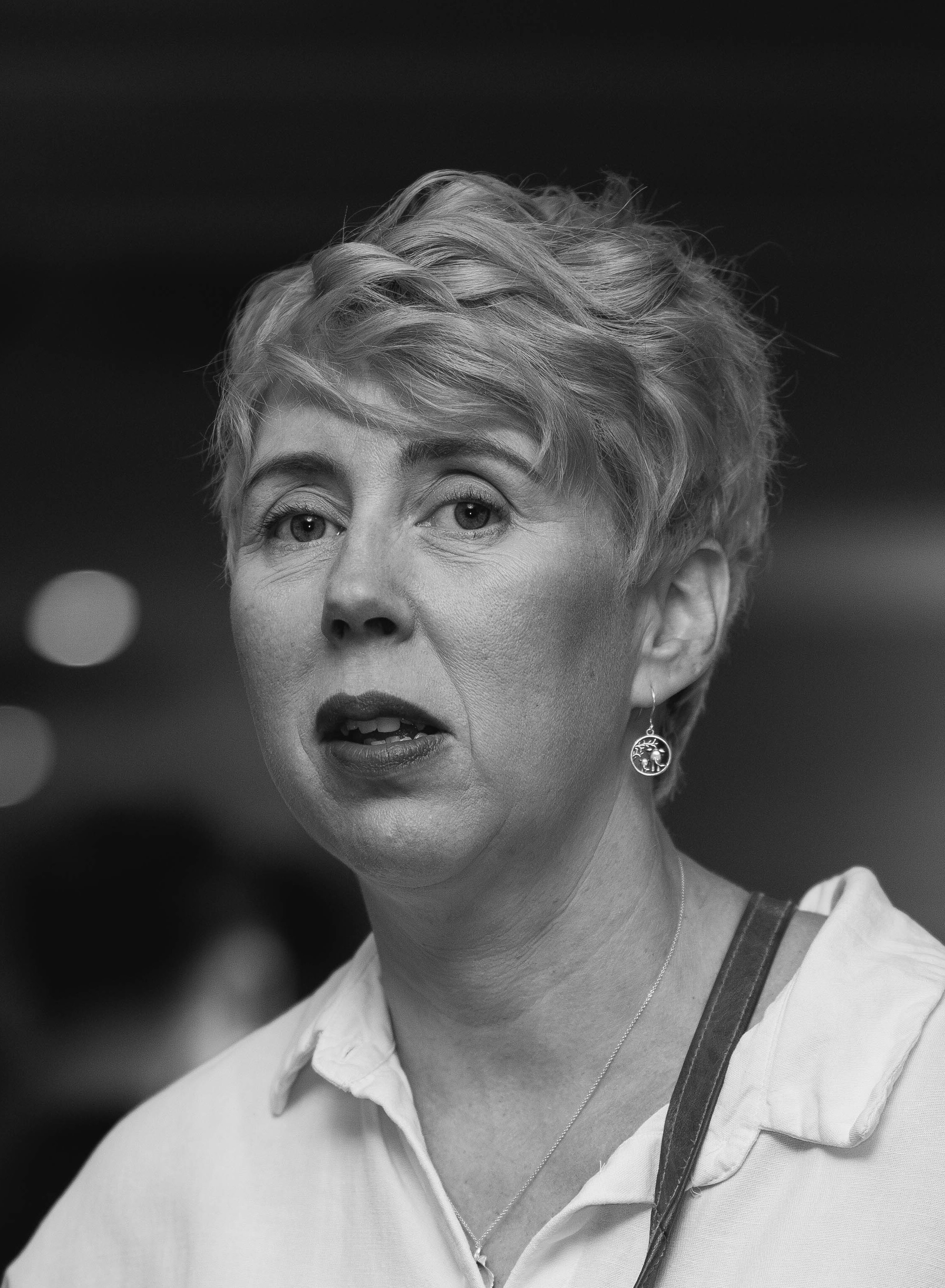

03.20.2026 Shelley Gibbins
A new survey by the Pharmacist Defence Association (PDA) has highlighted that pharmacists continue to feel their work 'significantly harms' their wellbeing. Head of Marketing, Shelley Gibbins, outlines how hub and spoke and automation could be the solution.
Community pharmacies are continuing to juggle rising dispensing volumes and an increase in clinical services, against a backdrop of medicine shortages and inadequate funding. This is having a major impact on pharmacy staff who are operating under immense strain.
The PDA Workplace Wellbeing and Culture Survey revealed more than 40% of pharmacists felt work harms their wellbeing, with heavy workloads, staffing shortages and missed breaks highlighted as core causes of stress. The Royal Pharmaceutical Society has also reported extremely high burnout risk across the profession, with teams having to try to deliver dispensing, clinical checks, vaccinations, consultations and operational tasks simultaneously.
The current way of working is not sustainable. The only solution is to redesign the way community pharmacy works so pharmacy teams can sustainably deliver both safe dispensing and growing clinical services without burning out. Hub and spoke and pharmacy automation can support with this.
Most community pharmacies still operate with dispensing at the centre of operations and, as a result, teams spend huge amounts of time on repetitive, process-driven tasks. At the same time, pharmacies are expected to provide more clinical care through services such as Pharmacy First, vaccinations, contraception services, hypertension case finding and independent prescribing. The difficulty is that both activities compete for the same people, the same time and the same physical space. In many pharmacies, staff are effectively trying to run two businesses at once – a high-volume dispensing operation and a frontline healthcare service. That creates constant interruption and pressure.
Hub and Spoke Creates Separation Between Dispensing and Care
Hub and spoke dispensing changes that dynamic by centralising large volumes of repeat and routine prescription assembly into automated hubs so pharmacies can remove much of the operational burden from individual branches. Many of the hubs we work with at Centred Solutions process around 80% of repeat original pack dispensing at their pharmacy hub. This allows the spoke pharmacy to become more clinically focused.
Automation within hubs can handle many repetitive tasks faster, more accurately and more consistently than manual processes. That includes robotic picking, automated labelling, prescription assembly, workflow prioritisation and stock management. This means that rather than teams at the pharmacy spoke spending most of the day managing prescription volume, they have capacity to focus on patient consultations, delivering clinical services, medicines optimisation and independent prescribing which is rapidly approaching.
Reducing Stress by Removing Mundane Work
One of the biggest contributors to stress in pharmacy is not simply workload volume, it is the relentless accumulation of repetitive, high-pressure operational tasks. Pharmacists frequently report inadequate staffing, missed breaks and overwhelming workloads as key drivers of poor wellbeing. Automation directly addresses many of those pain points.
When routine dispensing is centralised or automated the workflow becomes more predictable, queues and bottlenecks reduce, interruptions decrease and teams spend less time firefighting.
Pharmacists are highly trained clinicians, yet much of their day can still be dominated by checking and labelling prescriptions. Automation allows professionals to work closer to the top of their licence, focusing on clinical judgement, patient interaction and service delivery instead of repetitive processing.
Better Roles Mean Better Retention
Workforce retention is becoming one of the sector’s biggest risks. NHS England’s Community Pharmacy Workforce survey found community pharmacist workforce numbers fell by 10% in the last year. Other surveys repeatedly show many pharmacists have considered leaving the profession due to stress and burnout. A more clinically focused pharmacy environment can help change that. Introducing automation to remove repetitive dispensing pressure gives pharmacy teams opportunities to build clinical skills instead of spending entire days working under operational pressure.
That is particularly important for younger pharmacists and technicians who increasingly want career progression, service-led roles and professional autonomy rather than purely volume-based dispensing work.
Hub and spoke models can also improve workforce flexibility. Centralised dispensing allows pharmacies to better balance workload across estates, reduce dependency on individual branches and make staffing models more resilient. In an environment where recruitment remains difficult, operational resilience matters enormously.
There is also a patient safety dimension to consider too. High workload and constant interruption increase the risk of dispensing errors and fatigue-related mistakes. Automation can reduce manual handling steps, standardise workflows and introduce barcode verified accuracy checks. It also gives pharmacists more time for clinical oversight and patient interaction, the areas where human expertise adds the greatest value.
The Future Pharmacy Is More Clinical, Not Less Human
There is often a concern that hub and spoke and automation will make pharmacy feel less personal but the reality is the opposite is likely to happen. Today, many pharmacy teams are trapped behind dispensing benches, focused on operational throughput rather than patient care. Automation enables pharmacy to become more human by freeing teams to spend more time with patients instead of prescriptions.
The Future of Community Pharmacy Starts Here
The future of community pharmacy is unlikely to be defined by how many boxes it can label and dispense manually. It will be defined by accessibility, clinical capability, preventative care, prescribing support and patient relationships. Hub and spoke dispensing and automation are not simply efficiency tools, they are workforce sustainability tools. In a sector where wellbeing pressures continue to be impossible to ignore, a shift to hub and spoke and automation may be one of the most important changes community pharmacy makes over the next decade.
The shift toward a more clinical, sustainable pharmacy model is already underway. Schedule a demo with Centred Solutions to see how hub and spoke dispensing could work for your team.
Share